Definition of Hypertext Transfer Protocol Secure (HTTPS)
This article was published on July 3, 2011
Categorized in: Glossary
Hypertext Transfer Protocol Secure, also known as HTTPS, is an acronym that precedes the URL in a website address. HTTPS is an extension of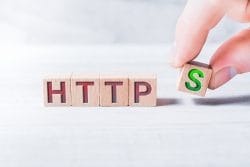 the hypertext transfer protocol. Hypertext transfer protocol secure is used for secure communication over a computer network as well as being used on the Internet. With HTTPS, an encryption known as transport layer security (TLS), which used to be more called secure sockets layer (SSL), is used. The role of hypertext transfer protocol secure is to define the actions that browsers and servers need to take in reply to commands.
What is the benefit of hypertext transfer protocol secure? HTTPS has advanced security features compared to hypertext transfer protocol (HTTP). It is the ideal choice when it comes to providing confidentiality. Data encryption ensures that data that travels through HTTPS is secure and unable to be accessed by hackers and others attempting to get your information. With hypertext transfer protocol secure, user’s data is not stored inside the client system. So, when an individual is using a device to surf the web in a public space, their information is not at risk for theft.
Using HTTPS helps to guarantee that user’s data is sent to the correct place and not a suspicious website, thanks to a certificate that double checks both policies are the same. Hypertext transfer protocol secure validates data through something called handshaking. If validations are successful, the data goes through. If validations are not successful, the data won’t go through and remains safe.
A website that contains an HTTPS certificate is most well-known by the green padlock that sits to the left of the website URL. This is a sign to not only user’s, but to Google and other search engines, that the site is trustworthy. This can help a website’s ranking in searches.
Are there downsides to using hypertext transfer protocol secure? HTTPS can add additional cost that you may not have budgeted for. You will need to purchase an SSL certificate, though sometimes one will be issues by the website hosting provider. This will need to be renewed on a yearly basis. Do not let the cost deter you from getting one though. Working it into your budget will benefit you, your visitors, and your website as a while. With the certificate, users will know they can trust your website to do business with.
Sometimes hypertext transfer protocol secure can slow down the speed of a website, but just as with the cost, it is worth it for the extra protection. It’s just something to be aware of when you are a website creator.
As a website creator and owner of a business, you want to provide your visitors and customers with the best level of protection that you can. Hypertext transfer protocol secure lets visitors know that when they visit your site, their data is being protected. This will give them confidence that spending time and money are going to be worth it.
HTTPS Definition Sources:
LIKE AND SHARE THIS ARTICLE:
About the Author: Brick Marketing President, Nick Stamoulis
 Nick Stamoulis is President of Brick Marketing and has 28 years of digital marketing experience. He works directly with clients on strategy and implementation, helping solve complex marketing, lead generation, and sales challenges. He is a strategist with expertise in SEO, AI SEO (GEO) and Answer Engine Optimization (AEO), content marketing, social media, pay per click advertising, and conversion improvement. In addition to marketing consulting, he provides expert level marketing leadership, working closely with organizations to drive strategy, execution, and performance as a fractional CMO.